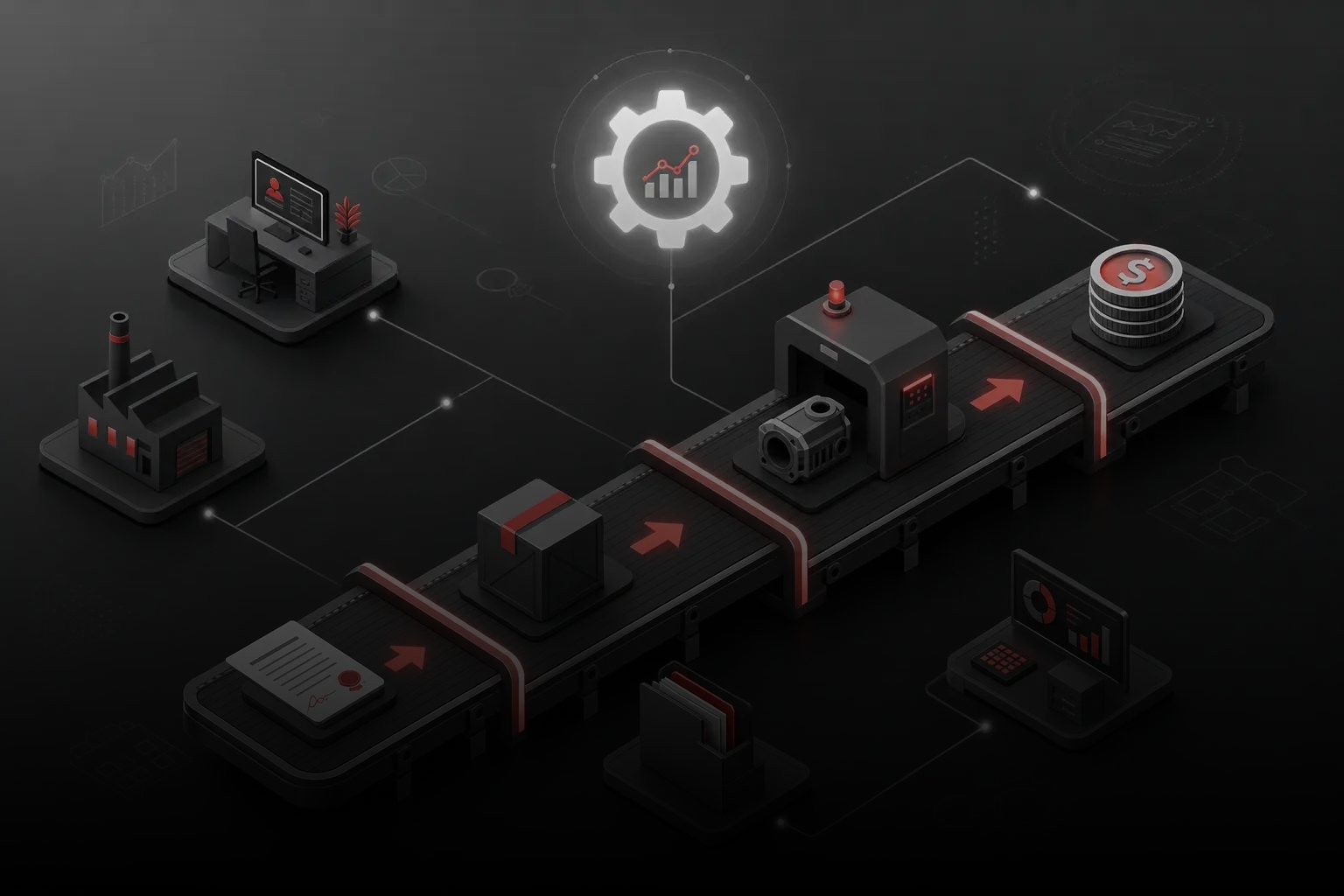
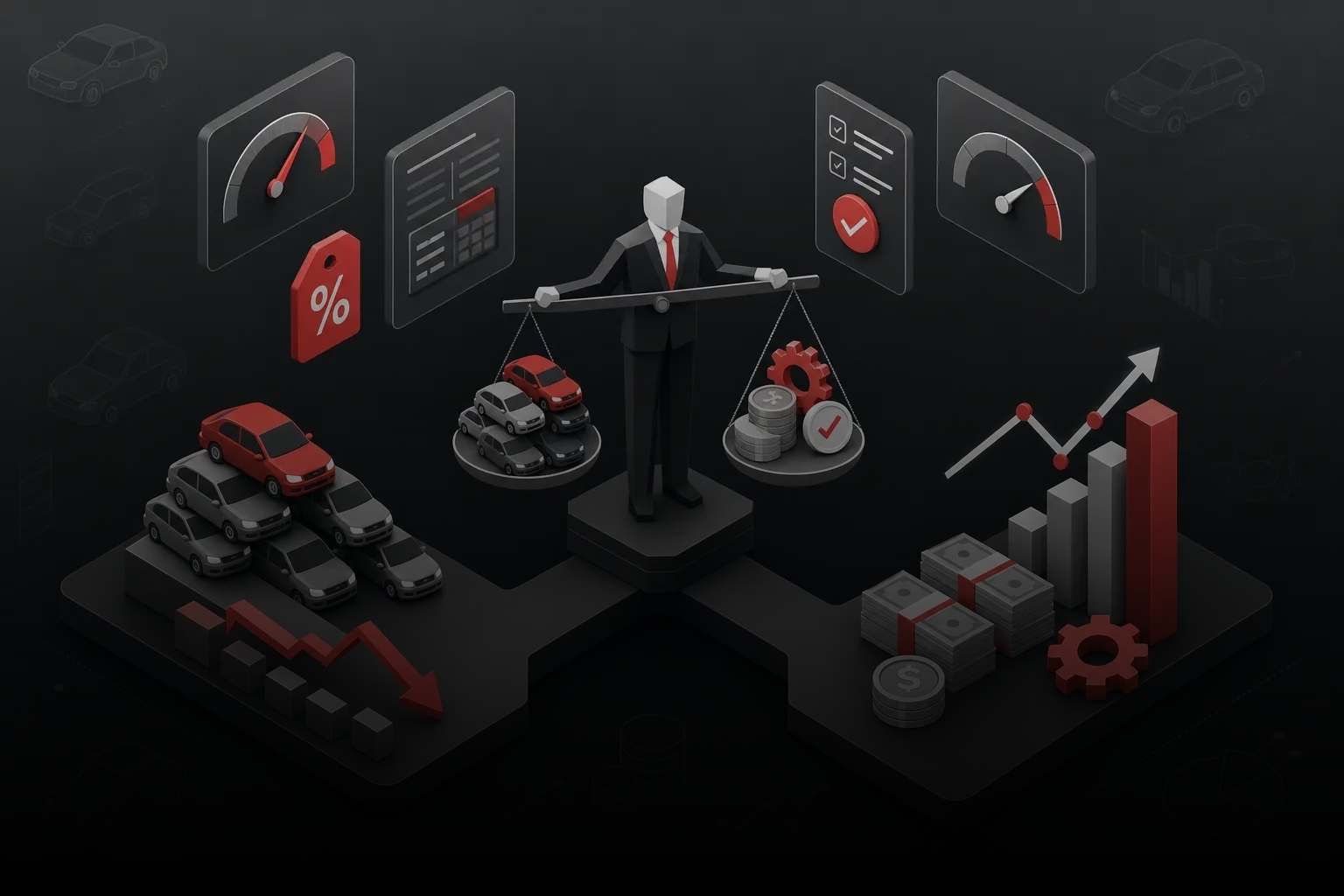
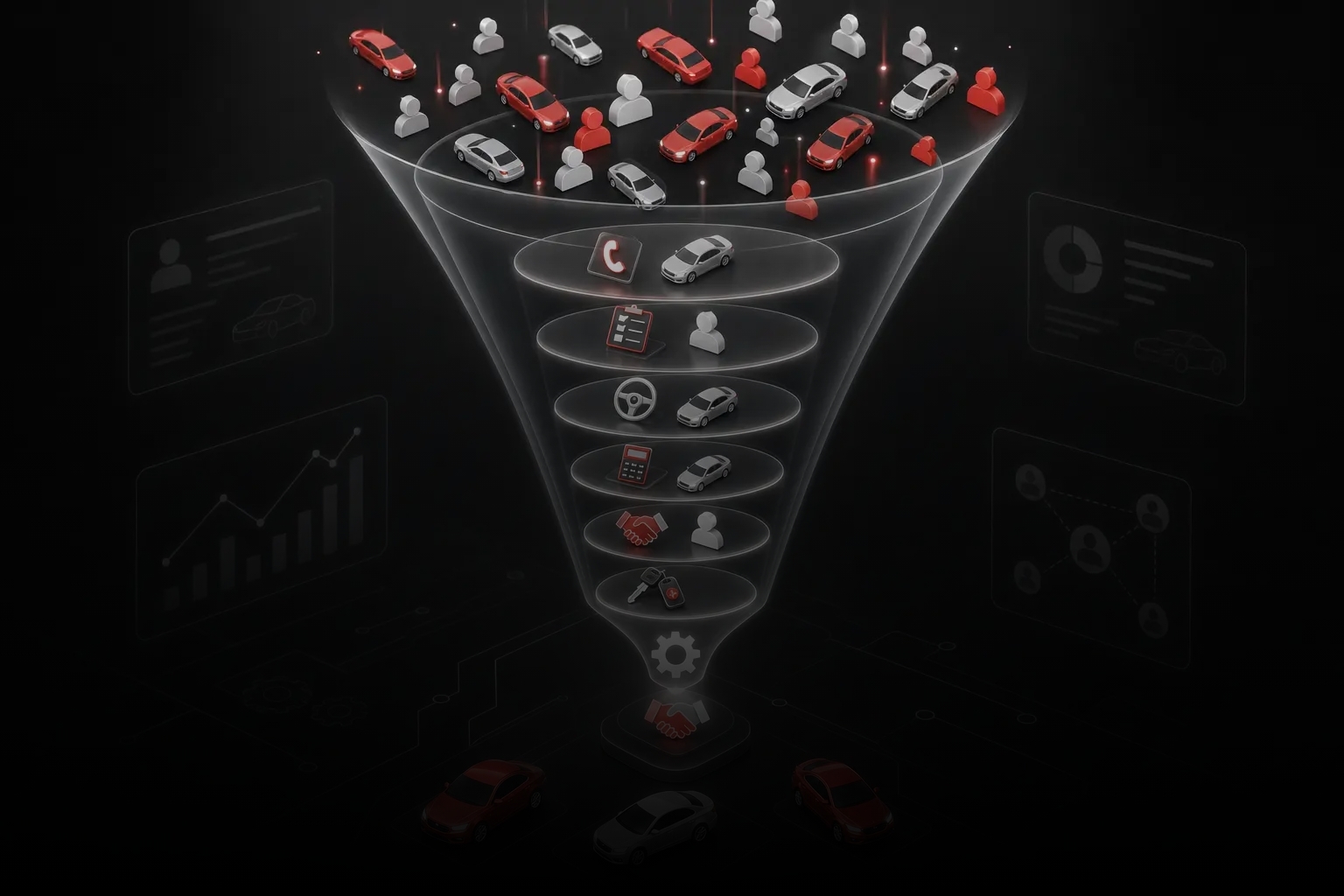
Before enabling triggers and setting up recommendations, it’s important to organize the foundation: goals, data, segmentation, and roles. It’s always better to use a practical sequence of actions that helps quickly move from ideas to manageable experiments and measurable growth in sales funnel metrics. Use it as a reference point, adapting to your niche, team size, and available stack.
Audit and goals. Describe the current sales funnel, friction points, targets, key sales department metrics (conversion by stages, AOV, LTV, NPS). For example, if the goal is to increase average check, the personalization focus will be on recommendations for additional products and upsell. If the task is to reduce customer churn, the strategy should include timely identification of those at risk and proactive offers for retention.
Data and tools. CRM system implementation for data collection and analysis. Includes selecting and launching a suitable platform, configuration. It’s important to choose solutions appropriate to the business scale and able to grow with the company. Organize your CRM, connect web and product analytics, set up events. For small businesses, a basic CRM like KeyCRM or Pipedrive is sufficient, coupled with straightforward analytics like Google Analytics 4 or Matomo. Medium and large companies should pay attention to more advanced ecosystems that allow storing and analyzing large volumes of data and building omnichannel processes, such as Salesforce or Microsoft Dynamics 365.
Segmentation. Minimum – RFM: recency, frequency, and monetary value of purchases (those who bought recently and frequently are our priority). Additionally – cohorts (groups of customers who came at the same time or from the same promotion), interests (categories and topics that a person chooses more often) and assessment of propensity to churn/purchase (probability that a customer will leave or, conversely, buy in the near future).
Content and offers. Each segment gets its own benefits, arguments, objections, and USP. Simple text and your offer: briefly explain the benefit, address main doubts, and clearly show how you differ.
Automation. Launch triggers: onboarding, activation, abandoned cart, win-back, cross/upsell.
Experiments. A/B tests by sales funnel steps on channel examples: website, app, email, messengers, call center. Choose one hypothesis and one metric, define segment and test duration (7-14 days), launch variant B, and record the winner by metric.
Management (governance). Regulations, roles, SLA, data policy, and regular optimization. Assign stage owners and KPIs, describe data handling rules (access, consents, storage periods), set up rights in CRM, hold monthly scenario reviews, and quarterly update/disable ineffective ones.


 Time to read: 9 min.
 21 October 2025