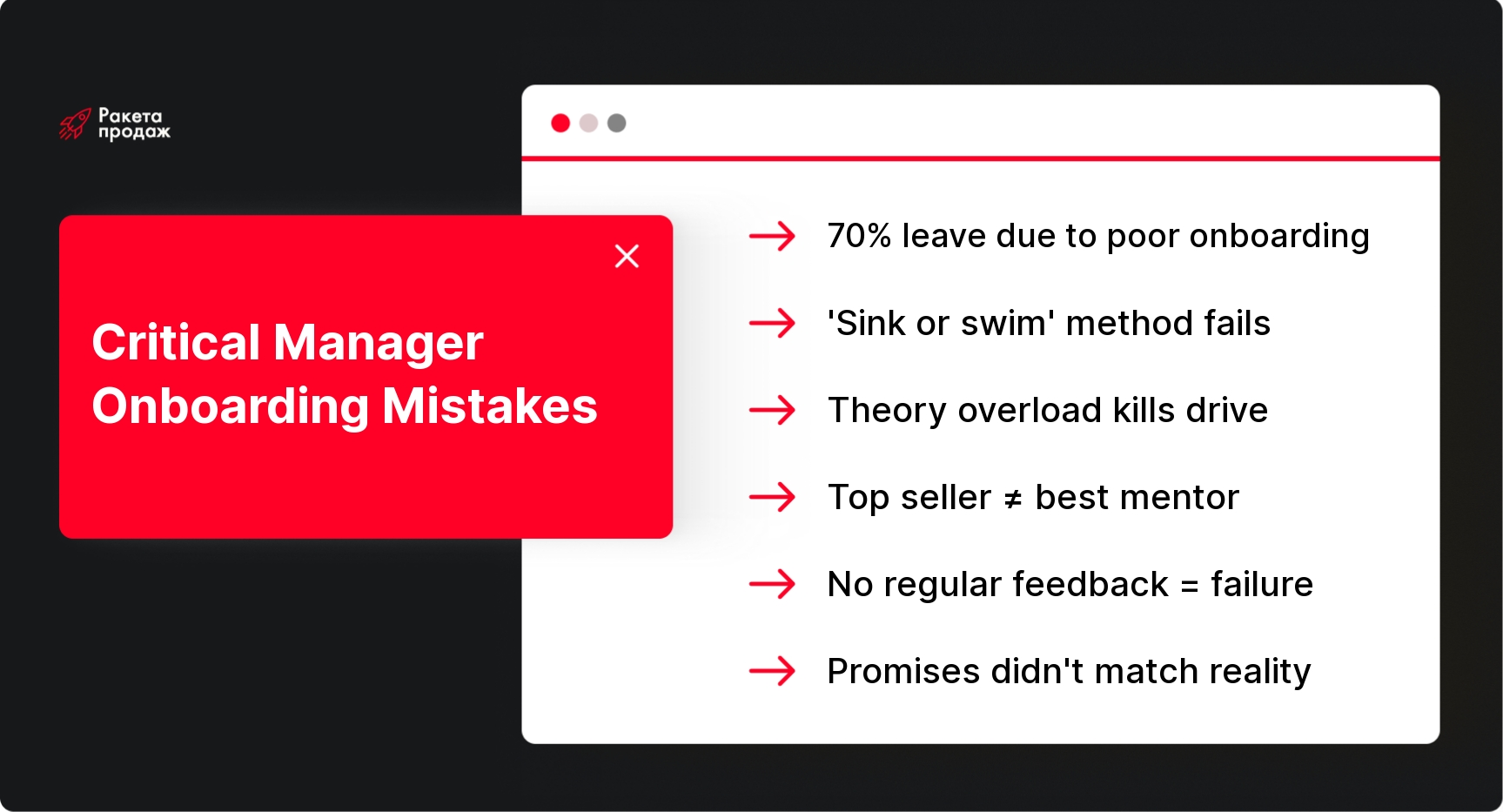
This scenario is painfully familiar to many sales managers: at the interview, the HR manager paints a rosy picture of working for the company – a “hot” client base, excellent motivation system, management support, career growth prospects. But when the employee starts work, reality turns out to be quite different – cold contacts, a complex system of penalties, lack of promised support, and no prospects.
Such a gap between expectations and reality leads to quick disappointment and loss of trust in management. The employee feels deceived, and this is one of the strongest negative feelings in the professional sphere. Statistics show that with a significant mismatch between reality and expectations, about 40% of new employees decide to quit within the first two weeks of work.
The problem often lies in the communication gap between the HR department and department heads. HR strives to attract the best candidates and often embellishes working conditions, while department heads then cannot or do not want to fulfill the promises made. As a result, everyone suffers: the company loses money and time on hiring a new employee, the manager is forced to look for a candidate again, and the sales manager gets a negative experience that can affect their further career.
To avoid this problem, transparency and honesty must be ensured at all stages of hiring. HR managers should provide realistic information about the job, including not only the pros but also potential difficulties. Recruiters should coordinate the job description with department heads to avoid making promises that cannot be fulfilled. And managers should be ready to discuss real working conditions with candidates at the interview stage.
By the way, if you are concerned about constant employee turnover and the associated costs, be sure to check out the practical case study on how to overcome turnover in the sales department and stabilize the team.
Honesty in the early stages of interaction with a potential employee is an investment in long-term relationships and team stability. Now let’s summarize the financial outcomes and see how much improper onboarding costs companies.
It’s important to note that manager mistakes in communicating with subordinates can seriously exacerbate adaptation problems. When a manager doesn’t know how to properly give feedback or demonstrates an authoritarian management style, it negatively affects the motivation of all employees, especially newcomers. Additionally, manager mistakes in delegating authority often lead to new sales managers not understanding the boundaries of their responsibility, creating additional difficulties during the adaptation period.
Sales department manager mistakes are especially destructive in the context of adapting new employees. When the sales manager doesn’t build a clear training system or doesn’t control this process, newcomers are left to their own devices. Employee adaptation mistakes in this case occur not because of the employee’s inability to learn, but due to systemic miscalculations in organizing the process of entering the position.
Manager mistakes when adapting new sales managers show how important it is to take a systematic approach to this process. It’s necessary to develop a clear program that will include both professional training and social adaptation, ensuring a gradual and comfortable entry into the position.


 Time to read: 10 min.
 05 December 2025