icon

Comparison of Group Training and Personal Coaching for Managers

In a world where personnel development has become a key success factor for companies, leaders increasingly face the necessity of choosing between different learning formats. This is especially true for developing management and sales skills among managers. Today, businesses actively choose between two popular approaches: group training and individual coaching.

Want a high-performing sales team without the hassle?
We’ll build it for you.
Contact Us

Key Takeaways

  • Group training transfers specific skills and scripts to the entire team within 1-3 days, while coaching unlocks one person’s potential through questions and reflection over 1-12 months.
  • Training delivers quick results and standardizes processes, but without follow-up support, skills fade within a few weeks.
  • Coaching only works when the manager is ready for change and isn’t suitable for mass implementation of methodologies or teaching technical knowledge.
  • Strong development programs combine both formats: training for the foundation, coaching for adaptation to individual style and overcoming barriers in application.
  • Format choice depends on the goal: if you need standards and speed, choose training; if you need transformation of thinking and leadership, you need coaching.

In the article below, you’ll find specific criteria for choosing the right format for your task, examples of successful combinations, and signals indicating when one method will work and the other will fail. Continue reading 👇

Interestingly, many companies no longer limit themselves to a single format. For example, an organization conducts sales training for the entire team, but simultaneously provides leaders with personal coaching training to reinforce and deepen the acquired skills. This approach allows for maximum return on learning investments.

Both approaches work but yield different results and require different conditions. To make the right choice, it’s important to understand the specifics of each method, its strengths and weaknesses, as well as situations in which it will be most effective. Let’s explore the difference between coaching and training and when it’s better to use one format or another.

Why Manager Training Requires Different Approaches

Sales and management managers represent a very heterogeneous group of specialists. Each has their own set of strengths and areas for development. One experiences difficulties in communicating with clients, another cannot work effectively with tasks, while a third faces problems with self-organization and time management.

This heterogeneity is the main reason why one learning format cannot be a universal solution for everyone. What works excellently for developing sales skills may prove ineffective for improving leadership qualities. And methods that help experienced leaders may be too complex for beginning managers.

Additionally, each person has their preferred learning style. Some learn better in groups, through discussions and exchanging experiences with colleagues. Others prefer an individual format where they can focus on their specific tasks and receive personalized feedback.

In business reality, time and budget factors are also important. Group training allows training a large number of employees simultaneously, making it cost-effective. At the same time, coaching, while requiring greater investment per person, can provide deeper and longer-term results for key employees.

Therefore, companies increasingly understand the need for a flexible approach to choosing learning formats, considering the specifics of tasks, audience characteristics, and desired results. This approach allows achieving maximum effectiveness in developing management skills. Let’s look at both formats in more detail.

What is Group Training and How It Works

Group training is a learning session in which participants jointly develop specific skills through interaction and practice under a trainer’s guidance. This format allows not only acquiring new knowledge but also immediately testing it in a safe environment, receiving feedback from the group and trainer.

Training serves as an effective tool for forming team habits, standardizing processes, and exchanging experiences between employees. It’s particularly valuable when it’s necessary to transfer specific skills or methodologies to a large number of people in a short time.

Unlike lectures or webinars, training always involves active participation. It’s not enough to just listen – you need to act, try, make mistakes, and learn from them. It’s this practical component that makes training such an effective tool for developing manager skills.

Goals and Objectives of Group Training

Group training usually pursues several important goals. First of all, it aims to practice standard scripts and communication algorithms. For example, sales managers learn to identify customer needs, handle objections, or close deals using a specific methodology.

Training goals are usually clearly defined and linked to specific business results that the company wants to achieve: increasing sales conversion, improving customer service quality, reducing deal closing time. This makes training results measurable and understandable for the business.

The second important task of training is developing team dynamics and forming a common language in the team. When all employees undergo the same training, they begin to use common terminology, understand each other better, and interact more effectively.

Group formats are also excellent for equalizing skill levels within a team. If a sales department has both newcomers and experienced managers, training helps bring everyone to a certain standard, while more experienced employees can share their practices with colleagues.

Imagine a sales training where participants role-play customer situations and then analyze mistakes together and find better solutions. One manager might be strong in initial contact establishment, another in handling objections. During training, they learn from each other, and the entire team raises its level.

Additionally, training often becomes a platform for identifying best practices within the company. During discussions and exercises, approaches that are already successfully used by individual employees but haven’t been formalized and spread throughout the team may emerge. This makes training not only educational but also an analytical tool.

Advantages of the Group Format

The group learning format has several significant advantages that make it a popular choice for manager development. The first and perhaps most important advantage is the team energy that emerges during training. When people learn together, they inspire and motivate each other, creating a special dynamic that’s impossible to get with individual learning.

Feedback from colleagues is another important advantage of group training. Participants receive multi-faceted evaluations of their actions not only from the trainer but also from other group members. This approach allows seeing one’s strengths and weaknesses from different perspectives, making learning more objective and versatile.

The competitive effect that naturally arises in a group also contributes to more intensive learning. Participants strive to show their best side, which pushes them to step out of their comfort zone and make more effort. This is especially noticeable in sales teams, where the competitive spirit is often part of the corporate culture.

We can’t ignore the cost-effectiveness of group training. The cost of training one employee in a group is significantly lower than in an individual format. This allows companies to train more managers within a limited personnel development budget.

Group dynamics also help “energize” even those employees who initially resist learning. Seeing how their colleagues actively participate and benefit from training, such employees often change their attitude and begin to more openly perceive new ideas and approaches. This effect is especially important when implementing changes in team work.

Limitations of Group Training

Despite all the advantages, group training has its limitations, which are important to consider when planning learning. One of the main disadvantages is the different pace at which participants absorb material. In any group, there will be those who grasp new information faster, and those who need more time to process and practice skills.

This difference in learning pace can lead to the training being too slow for some and too fast for others. As a result, some participants may get bored, while others feel overwhelmed and unable to keep up with the group. This reduces the overall effectiveness of learning.

Another significant limitation is the impossibility of deep individual work. Even the most experienced trainer cannot give enough attention to each participant in a large group. This means that some important questions specific to a particular manager may remain without detailed analysis.

In a group format, it’s also difficult to consider the specifics of each participant’s work. Managers may work with different products, clients, or in different market conditions, which requires adapting general principles to their specific situation. Training usually provides a generalized model, which each person then has to adapt to their realities independently.

Furthermore, the group format isn’t always suitable for discussing sensitive topics or acknowledging one’s mistakes. Managers may be reluctant to talk about their real problems in front of colleagues, fearing to appear incompetent or vulnerable. This limits the depth of learning and the ability to work with real, not hypothetical situations. An individual format is better suited for such tasks.

What is Personal Coaching for Managers

Personal coaching is an individual development format aimed at unlocking a manager’s potential through questions, reflection, and awareness. Unlike training, where the trainer shares knowledge and demonstrates skills, a coach doesn’t teach or provide ready-made answers. Instead, they help the client independently find solutions to their problems, relying on their own experience and internal resources.

Coaching is based on the belief that each person has the necessary potential to achieve their goals. The coach’s task is to create conditions in which this potential can manifest. They do this through deep, clarifying questions, active listening, and reflection, helping the client see the situation from new perspectives.

An important aspect of coaching is its focus on future results, not analyzing the past. The coach helps the manager determine exactly what they want to achieve, what obstacles stand in their way, and what resources they have to overcome these obstacles. In the process of such work, the manager not only solves specific work tasks but also develops their ability for self-regulation and making conscious decisions.

When Coaching is Especially Effective

Coaching shows the greatest effectiveness in certain situations that require deep individual work. For example, when a manager is experiencing professional burnout and has lost motivation to work. In such cases, coaching helps restore the connection with internal values, find new meaning in their activities, and restructure their attitude toward work.

Another common situation is when a manager doesn’t see prospects for their development in the company. Through coaching, they can clarify their long-term career goals, determine the necessary steps to achieve them, and find opportunities for growth even within their current position.

Coaching is especially valuable when working with difficulties in communication and team management. For instance, if a manager faces resistance from subordinates or conflicts in the team. The coach helps understand the causes of these problems, often hidden in the personal beliefs and behavior models of the leader themselves.

Many organizations turn to coaching when preparing employees for promotion or a new role. When a specialist becomes a leader or a middle manager transitions to a top management level, they need not so much new knowledge as a change in mindset. Coaching helps realize and accept the new level of responsibility, reconsider their identity, and develop the qualities necessary for the new role.

Coaching is also effective when a manager possesses all the necessary skills and knowledge, but something prevents them from realizing their potential. Often such obstacles are internal limiting beliefs, fears, or unproductive habits, work with which requires an individual approach.

Advantages of Individual Work

The individual coaching format has several important advantages that make it an indispensable tool for manager development. First of all, it’s the depth of analysis and working through issues. In a one-on-one format, the coach and client can delve into the essence of the problem, exploring not only the visible symptoms but also the root causes.

Personalized feedback is another key advantage of coaching. The coach sees the client’s blind spots, notices unproductive patterns of thinking and behavior that the person themselves may not be aware of. Moreover, feedback is given not in the form of criticism or evaluation, but as observations and questions that help the client independently come to awareness.

Flexibility in pace and content of work also favorably distinguishes coaching from group formats. The process is fully adapted to the needs and capabilities of the specific manager. One can linger on a difficult topic, return to an already discussed issue, or, conversely, move forward quickly if the client easily copes with the task.

Coaching forms not just skills, but resilience – the ability to adapt to changes and find effective solutions in new situations. This is especially valuable in today’s business world, where conditions constantly change, and pre-learned algorithms quickly become outdated. A manager who has gone through coaching is better prepared for unexpected challenges and non-standard situations.

An important advantage is also the confidentiality of the process. In coaching, the client can freely talk about their doubts, mistakes, fears, without fearing judgment or that this information will be used against them. Such psychological safety creates the basis for honest self-analysis and real changes.

Limitations of Coaching

With all its advantages, coaching has a number of limitations that must be considered when choosing a learning format. One of the main ones is that coaching is not suitable for mass implementation of standards or unified work methodologies. When a company needs to quickly train a large number of managers in one skill set, group training will be a more effective solution.

The effectiveness of coaching strongly depends on the manager’s personal readiness for change. If a person doesn’t recognize the existence of a problem, doesn’t see the need for development, or isn’t ready to take responsibility for the results, even the most professional coach won’t be able to help. Coaching only works with active participation and interest from the client.

Another limitation is time and financial costs. Coaching requires significant investments, both in terms of money (the cost of an hour of a professional coach’s work can be several hundred dollars) and time. A full coaching process usually takes from 3 to 12 months with regular sessions, which requires long-term concentration on the development process.

Coaching is also not the most effective tool for transferring specific knowledge or technical skills. If a manager needs to master a new sales methodology, understand a product, or learn to use a CRM system, direct training or training sessions will be more appropriate formats.

Finally, the effectiveness of coaching depends on the coach’s qualifications and the quality of interaction between the coach and client. There are many specialists in the market calling themselves coaches but lacking the necessary training. Choosing an unsuitable or insufficiently qualified coach can lead to disappointment in the method as a whole. Therefore, it’s important to carefully approach the choice of a specialist for working together.

Group Training vs Personal Coaching - Format Comparison

image

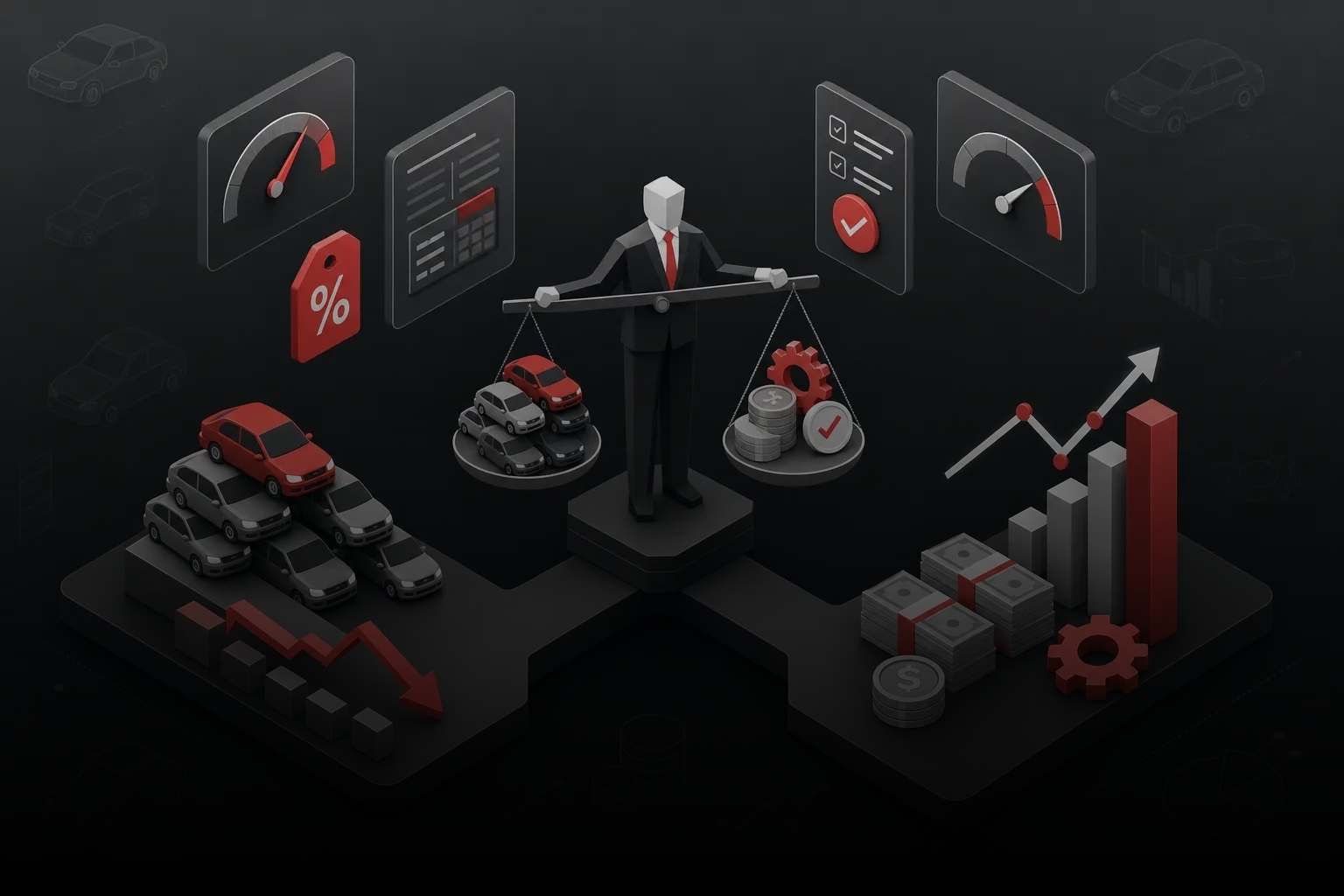
Comparing group training and personal coaching allows for a deeper understanding of each approach’s specifics and determining which format will be most effective for specific tasks and situations. It’s important to understand that this is not a contrast between “good” and “bad,” but a comparison of two different tools, each with its own application area.

If we imagine these formats as tools in a master’s box, then training can be compared to a hammer – a powerful tool for mass work that excels at typical tasks. Coaching, on the other hand, more resembles a fine jeweler’s tool designed for delicate, high-precision work with unique objects. Both are indispensable in their field but poorly replace each other.

Let’s look at the key differences between these approaches across several important parameters to form a more complete picture of their features and application possibilities.

Comparing Goals and Results

Training and coaching differ significantly in their goals and types of results they help achieve. Training is primarily aimed at developing specific skills and competencies. It answers the questions “what to do” and “how to do” in certain work situations. For example, how to structure a presentation, how to ask open questions to a client, or how to conduct effective meetings.

Coaching, on the other hand, focuses on developing thinking and leadership. It works with the questions “how to think” and “why,” helping the manager realize their motives, values, and beliefs that influence their decisions and actions. As a result of coaching, the client not only acquires a skill but changes their attitude and approach to situations.

Training results are usually more concrete and measurable in the short term. After good training, participants can demonstrate mastered techniques, apply new tools, follow a certain algorithm. However, without support and subsequent reinforcement, these results can quickly fade.

Coaching results often appear gradually and have a deeper, transformational character. The manager doesn’t just master a new technique but changes their approach to work as a whole. Such changes are harder to measure immediately, but they are more stable over time and have a broader influence on various aspects of activity.

It’s important to note that training and coaching can complement each other: training provides tools and techniques, while coaching helps adapt them to an individual work style, overcome barriers in application, and integrate them into daily practice.

Interaction Format

The interaction format in training and coaching fundamentally differs, which affects the entire learning process and its results. Training is built on group dynamics and exchange of experience between participants. Everyone works on common tasks, shares their ideas and observations, learns from each other. Such a format creates the energy of collective learning and allows seeing different approaches to solving one problem.

In training, the trainer acts as an expert who shares their knowledge and experience, demonstrates correct techniques, corrects participants’ mistakes. They manage the process, set the pace and direction, ensure the involvement of all participants. At the same time, the trainer’s attention is distributed among all group members, and the time they can devote to each is limited.

Coaching, on the other hand, is built on principles of confidentiality and deep individual work. There is no group, only the coach and client, which creates a space of trust and openness. The coach is completely focused on one person, their goals, needs, and features, which allows achieving maximum personalization of the process.

In coaching, the specialist doesn’t act as an expert or teacher. They don’t give advice or offer ready-made solutions, but ask questions that help the client find answers themselves. The coach creates a space for reflection and exploration, supports the client in their search, and helps see non-obvious connections and opportunities.

Another important difference is that in coaching, the client determines the agenda of each meeting themselves, based on their current tasks and challenges. In training, the program is pre-structured by the trainer and usually doesn’t change during the process to cover all planned topics. This makes training more predictable but less flexible than coaching.

Timeframes and Effectiveness

Training and coaching differ significantly in terms of implementation timeframes and nature of effectiveness. Training is usually a short-term intensive intervention – from several hours to several days. During this short time, participants receive a large volume of information and have the opportunity to practice in a safe environment. This gives a quick effect and allows immediately applying the acquired knowledge in work.

However, research shows that without subsequent reinforcement and practice, a significant part of the information received in training is forgotten within a few weeks. For training to yield long-term results, mechanisms for supporting and reinforcing skills in the workplace are necessary – practical tasks, observation, feedback from the supervisor.

Coaching, on the contrary, represents a long-term process designed for 1-3 months or more, with regular meetings (usually once a week or two). Such a format allows working on deep, stable changes in thinking and behavior. Between sessions, the client applies new approaches in work, observes results, and discusses them with the coach at the next meeting.

The effectiveness of coaching isn’t always obvious right away – it manifests gradually as the manager integrates new ways of thinking into their practice. However, in the long term, coaching results can be more stable and extensive, affecting not only specific skills but also the general approach to work, attitude toward oneself and others, ability to adapt to new challenges.

Interestingly, according to research, the average return on investment (ROI) from coaching is around 700%, meaning each dollar invested in coaching brings the company about seven dollars in increased productivity, improved work quality, reduced turnover, and other factors. However, achieving such results requires time and a systemic approach.

Examples of Combination

In practice, many companies discover that the best results are achieved when combining group training and individual coaching. Such a combined approach allows using the strengths of both formats and compensating for their limitations. Let’s consider several examples of successful combinations.

One common approach is to first conduct training for the entire team, and then organize a series of coaching sessions for leaders or key employees. For example, a company conducts a two-day training on the sales system for the entire department. Then, sales group leaders undergo individual coaching, which helps them adapt the acquired knowledge to their management style and overcome barriers in applying new methodologies.

Another option is coaching as support after training to reinforce skills. After intensive learning, participants return to work and after a few weeks begin a series of coaching sessions. The coach helps them analyze real situations they face when applying new skills and find solutions to emerging difficulties.

Some companies use a model where individual coaching is first conducted for top managers, and then these leaders participate in conducting training for their teams. This helps leaders not only master new approaches but also become agents of change, passing their understanding and experience to subordinates.

In large companies, complex development programs are often created, including both training and coaching at different stages. For example, a leadership development program may include a series of modular training sessions on key competencies, group coaching sessions for experience exchange, and individual coaching for personal challenges. The training and coaching difference manifests in several key aspects. First, training methodology is built on knowledge transfer and skill practice, while coaching focuses on unlocking a person’s internal resources. Second, training is usually conducted in a group, while coaching is individual. Third, in training, the trainer acts as an expert, while in coaching, the coach is a research partner. The coaching vs training difference is especially noticeable in long-term results: training gives a quick effect in specific skills, while coaching leads to deeper and more sustainable changes in the approach to work. Understanding what is the difference between coaching and training helps leaders make informed decisions about which approach best suits their team’s development needs.

Such combined approaches allow achieving comprehensive and sustainable results, where skills are reinforced at all levels – from theoretical understanding to deep integration into daily practice. This is especially important when implementing significant changes in company work or developing a new corporate culture.

How to Choose a Learning Format for Business Tasks

Choosing between training and coaching is not simply preferring one format over another, but a strategic decision that should be based on specific business tasks, team characteristics, and desired results. The right choice of learning format can significantly increase the effectiveness of investments in personnel development.

If a company needs to quickly and massively enhance a certain skill set among a large number of employees, group training will be the optimal solution. This format allows transferring standard knowledge and techniques, creating a unified understanding base and common language in the team in a short time. Training is especially effective for learning specific procedures, sales methodologies, working with new products or systems.

Of particular importance is the implementation of such initiatives in an environment that supports employees’ professional development. In these cases, corporate training is in demand, involving learning specifically for business tasks and taking into account the specifics of the industry or organization.

If the task is to work through beliefs, develop leadership qualities, or overcome personal barriers, coaching will be more appropriate. This format allows delving into the individual characteristics of each manager, working with their unique challenges, and using their strengths. Coaching is indispensable when it comes to developing senior executives, preparing talented employees for promotion, or solving complex communication problems in a team.

It’s important to understand that it’s not the format itself that determines the result, but the goal and the company’s readiness for development. Even the highest quality training or coaching won’t have an effect if the organization doesn’t support the application of new approaches or if employees aren’t motivated to change. Therefore, before choosing a learning format, it’s necessary to ensure that conditions for implementing changes are created in the company and there’s a clear understanding of why these changes are needed.

When choosing a format, it’s also worth considering the current level of team development. If employees are at different levels of competence, it might be worth first conducting training to level the basic level, and then organizing coaching for the most promising or key employees. Or, conversely, starting with coaching for managers so they can more effectively implement changes in their teams after general training.

In some cases, for developing management skills beyond coaching, a mentoring session is useful, where an expert from a related industry or a more experienced manager shares personal experience and helps consider the task from a new angle. Such a hybrid approach, combining different elements of education, allows learning faster and deeper.

In some cases, the most effective solution will be a hybrid approach, combining elements of both formats. For example, a series of short training sessions alternating with individual or group coaching to reinforce and deepen skills. Such an approach allows combining the advantages of both methods and ensuring more sustainable results.

Conclusions

The choice between coaching and training depends on many factors: company goals, initial employee level, nature of tasks, and even managers’ personal preferences. Each of these approaches has its strengths and is most effective in certain situations.

Training is suitable for acquiring knowledge and developing specific tools. It allows quickly and effectively teaching a large number of people standard procedures, methodologies, techniques. The group format creates the energy of joint learning, promotes experience exchange, and forms a unified understanding in the team.

Coaching, on the other hand, is designed for deep individual transformation and potential unlocking. It helps the manager overcome internal barriers, change limiting beliefs, develop leadership qualities, and find their unique management style. Coaching takes longer but gives more sustainable and deep results.

Training coaching is especially effective when these two formats are combined in a single development process. Coaching methodologies complement traditional training approaches, allowing achieving not only technical mastery but also a deep understanding of one’s own work style. Coaching and training, used in combination, create a synergistic effect, enhancing each other’s results.

A question often arises about the difference between coaching and training. While training focuses on transferring specific knowledge and skills, coaching focuses on unlocking a person’s potential and finding their own answers. How does coaching differ from training in practical terms? In training, you get tools, while in coaching, you learn to adapt them to yourself and find your own solutions.

In modern development programs, both methods are often used in combination for maximum results. Training provides a knowledge and skills base, while coaching helps adapt them to an individual style and overcome obstacles in application. Such a combined approach allows achieving both quick and long-term results, both for individual managers and for the team as a whole. Understanding the coaching and training difference can help organizations develop more effective professional development strategies that address both immediate skill needs and long-term leadership development.

In this article:
See more
Book a FREE sales funnel audit
CONTACT US
FAQ
Is coaching suitable for salespeople?

Yes, coaching can be very effective for salespeople, especially experienced ones who already possess basic sales techniques. Coaching helps them overcome a “plateau” in results, develop their unique style of interacting with clients, and work with psychological barriers that may hinder achieving better results. For newcomers, however, it’s usually more appropriate to first undergo training in sales basics, and then coaching to deepen and personalize skills.

What results do group training sessions give to a sales department?

Group training for sales departments usually provides quick and measurable results: standardization of approaches to working with clients, mastering effective scripts and sales algorithms, improving product presentation skills and handling objections. Training sessions also contribute to team spirit formation, experience exchange between employees, and overall motivation increase. However, to secure these results in the long term, it’s important to ensure support and control of applying new skills in practice.

What's more effective for developing sales department managers - coaching or training?

For sales department managers, a combined approach is often most effective. Training provides necessary knowledge and tools for sales management, team work, and building a motivation system. Coaching helps develop leadership qualities, adapt acquired knowledge to a specific situation, and overcome personal barriers in applying new approaches. If you need to choose just one, for experienced managers, coaching will often be more valuable, while for new managers, structured training with subsequent support.

SUBSCRIBE TO MY TELEGRAM CHANNEL
The most valuable sales information right on your phone!
icon

LOTS OF USEFUL INFORMATION, FREE TEMPLATES, AND CHECKLISTS ON MY INSTAGRAM

Materials and practical advice on sales growth in our blog: